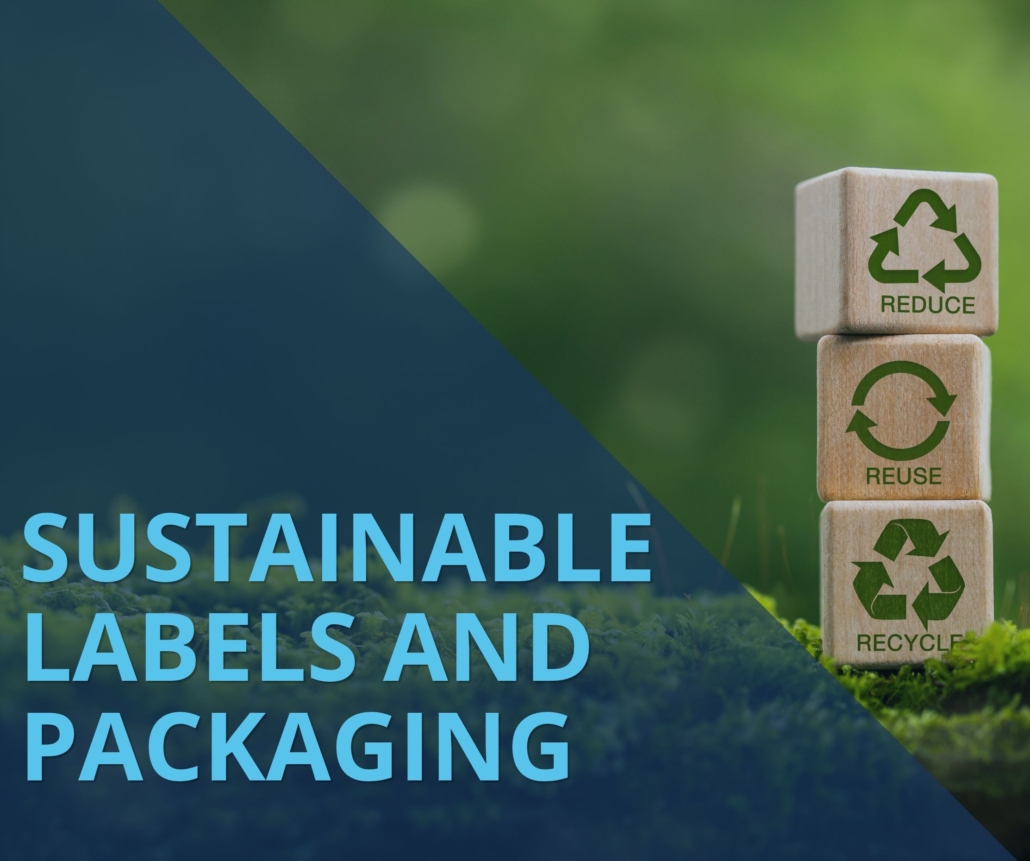
How to Reduce Your Environmental Impact
Customers increasingly care about what’s in the box and what happens to it afterwards. For many brands, packaging is also the most visible sign of their environmental commitments. The good news is that becoming more sustainable doesn’t mean starting from scratch. These practical steps make a real difference, and many reduce costs too.
Why sustainability matters for packaging
Packaging protects products, but it’s also a major source of waste. Brands face growing expectations from customers, retailers and regulators to reduce the material they use and make what’s left easier to recycle. Acting early helps you meet those expectations, avoids last-minute changes and strengthens your brand.
1. Right-size your packaging
Using less material is the simplest saving. Boxes that fit the product closely need less board and less void fill, take up less space in storage and transport, and can reduce shipping costs. Review your most-shipped products first. A small size reduction repeated thousands of times adds up.
2. Choose materials with recycling in mind
Packaging only helps the environment if it’s actually recycled. Practical ways to improve recyclability:
- Choose single-material designs where possible, as they’re easier to process.
- Avoid unnecessary combinations of materials that are difficult to separate.
- Think about coatings and finishes. Some can affect how easily paper and board can be recycled, so ask your printer for advice on options.
- Check local recycling reality. Material that’s technically recyclable isn’t helpful if most customers can’t recycle it at home.
3. Look for responsibly sourced paper and board
Certifications such as FSC and PEFC show that paper and board come from responsibly managed forests. Ask your printer which certified stocks they use and whether the certification extends to the printed product.
4. Don’t forget labels
Labels affect the recyclability of the whole product. The wrong adhesive or material can make a bottle or container harder to recycle. Options exist that are designed to work better with recycling processes, so mention what your product is made from and where it ends up when you discuss labels with your printer.
5. Print only what you need
Overproduction is a hidden source of waste. Surplus labels and boxes, especially for seasonal products, products that change often or early launches, end up discarded. Short-run printing helps you order what you need and update artwork without wasting stock. See our guide to short-run label printing.
6. Consider what’s inside the box
Reducing plastic void fill, switching to paper-based cushioning, or redesigning inserts so they hold the product without extra material can cut waste further. Test any change to make sure the product still arrives safely, because a damaged item and a replacement shipment cost more, environmentally and financially, than the packaging you saved.
7. Work with a printer that takes it seriously
Look for evidence, not slogans. A responsible printer should be able to explain their materials, their processes, and any environmental accreditations.
8. Be honest in your claims
Vague claims like “eco-friendly” or “green” can mislead and may fall foul of UK consumer rules. The Competition and Markets Authority’s Green Claims Code expects environmental claims to be truthful, clear and backed up with evidence. Specific statements are safer and more convincing, for example “made with FSC-certified board” or “this box can be recycled in your household cardboard recycling”. If you’re unsure, ask your printer to confirm what can accurately be claimed.
9. Keep an eye on regulation
UK packaging regulation is changing, including extended producer responsibility (EPR) rules that place more responsibility on businesses for the packaging they put on the market. Depending on your size and turnover, these rules may apply to you. Check the government guidance or take advice from a specialist, and ask your printer what information they can provide about packaging weights and materials.
10. Tell your customers
Once you’ve made improvements, say so. A short line on the box, a note inside or a page on your website explaining what’s changed helps customers recycle correctly and recognise your efforts.
Where to start
You don’t need to do everything at once. A sensible first step is to choose three things: right-size your top-selling box, move to a certified paper or board, and review your label adhesive. Then build from there.
If you’d like to make your labels or packaging more sustainable, we’re happy to talk through the options. Contact us today.