
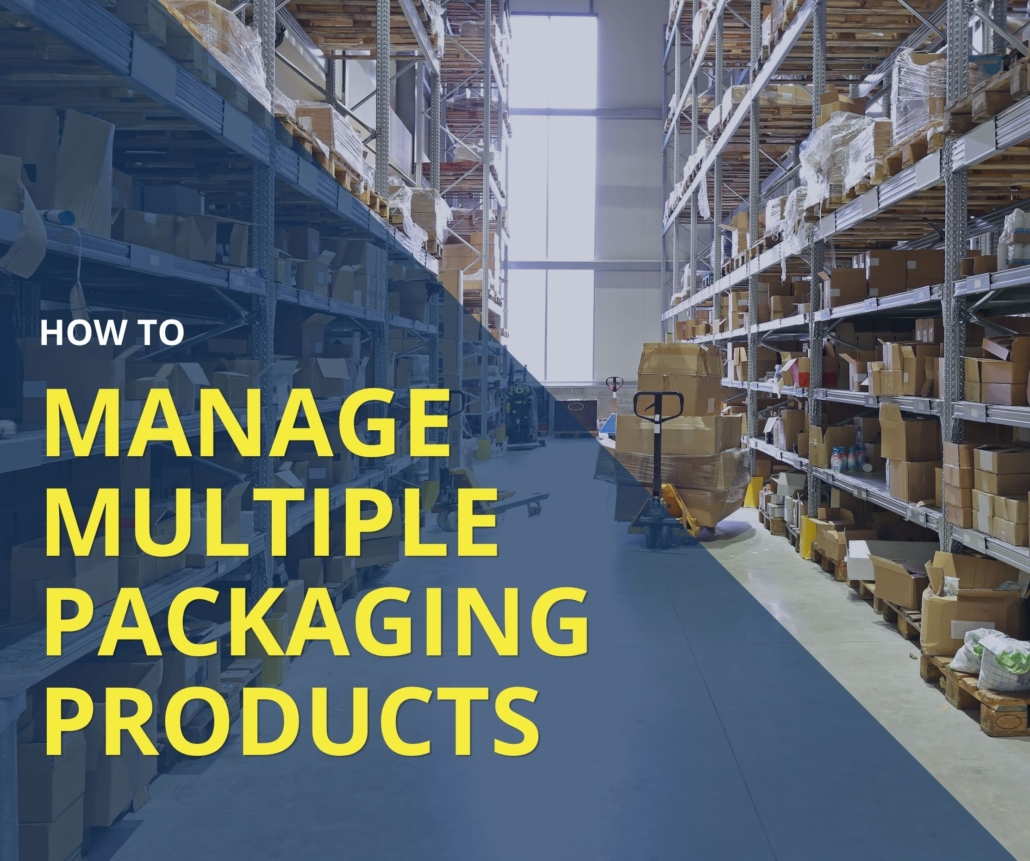
How to Manage Multiple Packaging Products Across Your Business
As your business grows, so does the number of products you need to package.
What might have started with one product and one packaging format can quickly turn into dozens of SKUs, different box sizes, labels, inserts, materials and finishing requirements.
Managing multiple packaging products across your business can become complicated without the right systems in place. Stock needs to be monitored, artwork needs to stay up to date, production needs to be coordinated and the right packaging needs to be available when you need it.
So, how can businesses make managing multiple packaging products easier and more efficient?
1. Create a Clear Packaging Specification for Every Product
The first step is knowing exactly what each product requires.
Every packaging product should have a clear specification that includes details such as:
- Product or SKU reference
- Packaging type
- Dimensions
- Material and board specification
- Artwork version
- Print requirements
- Finishing requirements
- Quantity required
- Storage requirements
- Expected production frequency
Having this information documented gives everyone involved in the process a single source of truth.
It also reduces the risk of the wrong packaging being ordered or an outdated version of artwork being sent to production.
2. Keep Your Artwork Organised
Packaging artwork can become difficult to manage when you have multiple products, variations and regular design updates.
A clear artwork management system can help prevent common issues such as:
- Using an outdated design
- Sending the wrong artwork to production
- Confusing similar SKUs
- Missing important regulatory or product information
- Having multiple versions of the same artwork in circulation
Use consistent file naming conventions and make sure approved artwork is clearly separated from previous versions.
It’s also worth establishing a clear approval process so everyone knows which version has been signed off and is ready for production.
3. Standardise Where You Can
Not every packaging product needs to be completely different.
Where possible, consider whether you can standardise elements across your packaging range.
For example, you may be able to use the same:
- Board or material specification
- Packaging structure
- Label format
- Finishing process
- Internal packaging components
Standardisation can simplify procurement, production and stock management while helping your packaging range maintain a consistent brand identity.
Of course, this needs to be balanced against the requirements of individual products. Standardising doesn’t mean forcing every product into the same packaging format.
4. Understand Your Packaging Requirements
Different products may have very different packaging requirements.
Some products may need protective packaging. Others may require premium finishes, specialist labels or packaging designed for retail display.
Before deciding on a packaging solution, consider:
Product protection: Will the packaging protect the product during storage, handling and transportation?
Presentation: Does it reflect your brand and meet the expectations of your customers?
Practicality: Is it easy to assemble, pack, store and distribute?
Sustainability: Can you reduce unnecessary materials or choose more sustainable alternatives?
Production: Can your chosen packaging be produced efficiently at the volumes you require?
Looking at these factors across your entire product range can help identify opportunities to improve both packaging performance and efficiency.
5. Keep Packaging Stock Under Control
Having too little packaging can cause production delays.
Having too much can tie up valuable storage space and working capital.
This becomes particularly challenging when you’re managing multiple products, each with different demand levels.
It’s useful to understand how quickly each packaging product is being used and establish appropriate reorder points.
Your packaging supplier may also be able to support you with stock management, storage and scheduled deliveries, helping you avoid the need to keep large quantities on-site.
6. Consider Outsourcing Packaging Storage and Fulfilment
As your packaging range grows, storage can become a significant challenge.
Instead of keeping every packaging component at your own premises, businesses can consider using a print and packaging partner that offers storage and fulfilment services.
This can provide a more flexible approach to inventory management.
Packaging can be produced, stored securely and delivered when required, helping businesses make better use of their own warehouse space.
For companies managing multiple packaging products, this can also simplify the supply chain by bringing production and storage closer together.
7. Work With One Packaging Partner Where Possible
Managing multiple suppliers for different parts of your packaging operation can create additional administration.
You might have one supplier for printed cartons, another for labels and another for finishing or fulfilment.
Where possible, working with a supplier that can provide multiple services under one roof can simplify the process.
This can mean:
- Fewer supplier relationships to manage
- More streamlined communication
- Greater consistency across products
- Easier quality control
- Simplified ordering
- A more connected production process
For businesses with a large packaging portfolio, having one experienced partner involved across multiple stages of production can make a significant difference.
8. Build a Scalable Packaging Process
Your packaging requirements today may look very different from those in two or five years.
If you’re launching new products, entering new markets or expanding your existing range, your packaging system needs to be able to grow with you.
Consider whether your current processes can handle:
- New SKUs
- Increased production volumes
- New packaging formats
- Seasonal products
- Promotional packaging
- Multiple product variations
- Changes to artwork
- Different distribution requirements
Building a scalable process now can prevent unnecessary complications later.
9. Review Your Packaging Regularly
Packaging shouldn’t be something you only think about when you run out.
Regular reviews can help identify opportunities to improve your packaging operation.
Look at areas such as:
Cost: Are you getting the best value from your packaging volumes?
Waste: Are you using more material than necessary?
Storage: Are you holding too much stock?
Performance: Is the packaging protecting the product effectively?
Sustainability: Could materials or processes be improved?
Efficiency: Are there unnecessary steps in your ordering and production process?
A packaging review can often highlight small changes that make a significant difference when applied across a large product range.
Managing Multiple Packaging Products Doesn’t Have to Be Complicated
As your product range grows, managing packaging can become a significant operational task.
The key is having clear specifications, organised artwork, effective stock management and a production process that can scale with your business.
Working with an experienced packaging partner can also help bring these different elements together.
At Midland Regional Printers, we provide a range of print and packaging services, including CAD and artwork, cardboard engineering, lithographic and digital printing, labels, specialist finishing, co-packing, storage, fulfilment and distribution.
By bringing multiple stages of the packaging process together, we can help businesses manage their packaging requirements more efficiently — whether they have one product or a growing portfolio of SKUs.
Managing multiple packaging products? Get in touch with MRP to discuss how we can support your packaging production, storage and fulfilment requirements.
